
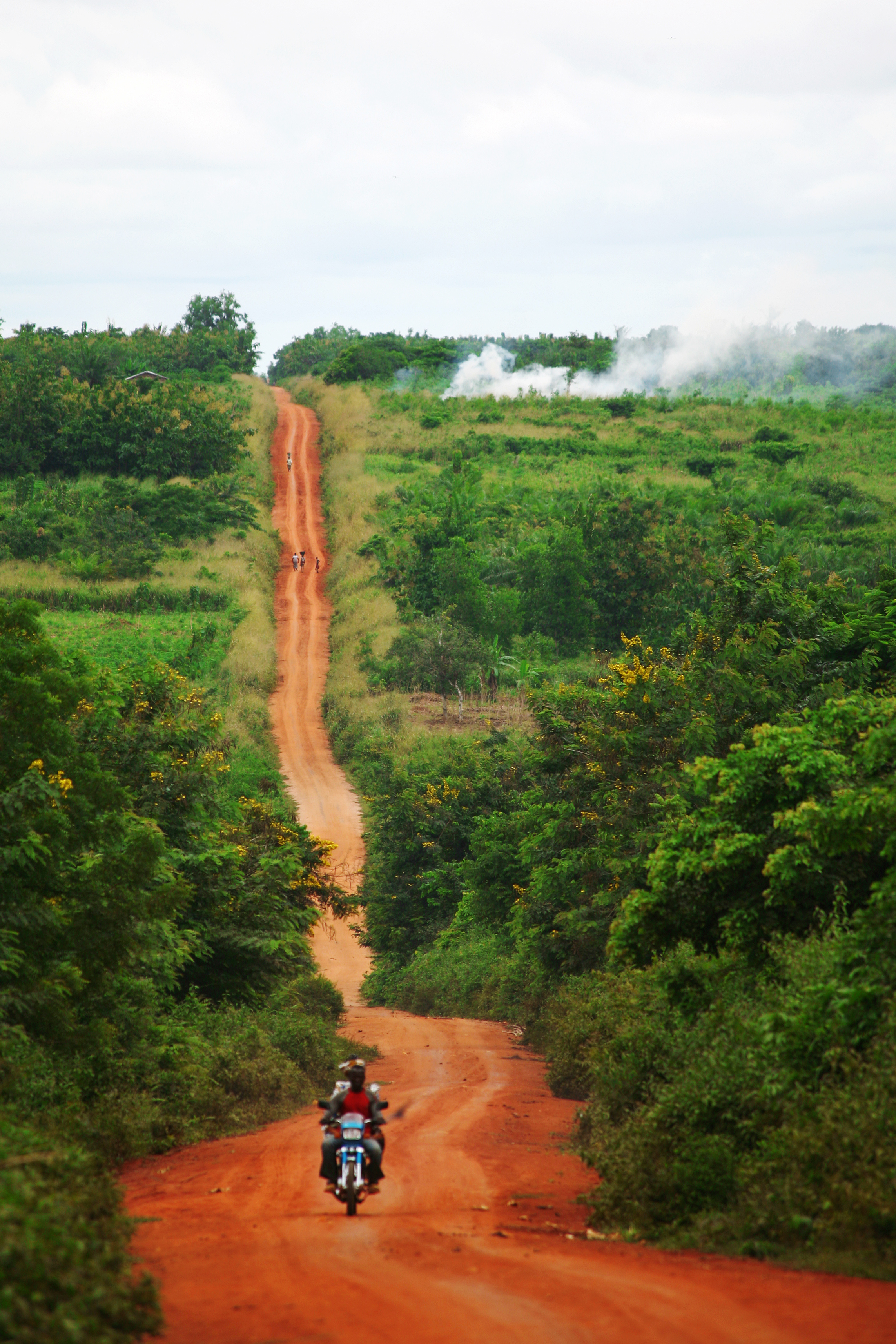
Thinking Out-of-Box in Addressing Communication and Service Delivery Challenges in Rural Remote Areas
A new article in the World Journal of Vaccines, "Thinking Out-of-Box in Addressing Communication and Service Delivery Challenges: Use of a Traditional Communication Method for Improving Immunization Coverage in Remote Rural Hard-to-Reach Areas of India," addresses successful communication methods used to reach populations in remote, rural, hard-to-reach areas of India. These lessons may be useful for similar populations in other areas of the world.
Hard-to-reach areas are a common issue in vaccination programs and services. Researchers in Sirmaur district in the state of Himachal Pradesh in India struggled to reach a group located in the western Himalayas, an area with a rough terrain, snow, and complicated river systems that make it inaccessible to most health services. This made it extremely difficult for community mobilizers to go house-to-house to encourage parents to get their children vaccinated, resulting in many children missing vital vaccines doses.
Researchers realized they had to think "out of the box" to reach this population and mobilize them for vaccination. They decided to try using a traditional method: a drum beating in two blocks of the district, Rajpura and Shillai, with the planning and support of the district health team and local community leaders. Analysis of exit interviews data indicated a very high reach of the drum beating to caregivers; more than 97% of caregivers in Rajpura and 100% in Shillai heard drum beating, and almost 95% of caregivers in Rajpura and 98% in Shillai knew the purpose of drum beating. Analysis of the data after the initiative showed improvement in age-appropriate vaccine coverage for all vaccines in Rajpura, and improvement for age-appropriate vaccine coverage of Pentavalent1, Pentavalent2, and Measles/MR in Shillai. Notably, dropout rates decreased on both blocks during this time period, and both health workers and community leaders had positive perceptions of the drum beating initiative. However, researchers concluded that both the access and demand-side barriers need to be addressed to further imrpove age-appropriate vaccine coverage.
What challenges do you encounter in your work vaccinating people in hard-to-reach areas? Have you tried any successful "out of the box" methods to improve vaccine coverage in these areas? Are there any lessons you can extrapolate from this article to use in your own work?
Share your thoughts in the "Comment" section below!