
The WHO Releases First Data on Global Vaccine Market Since COVID-19
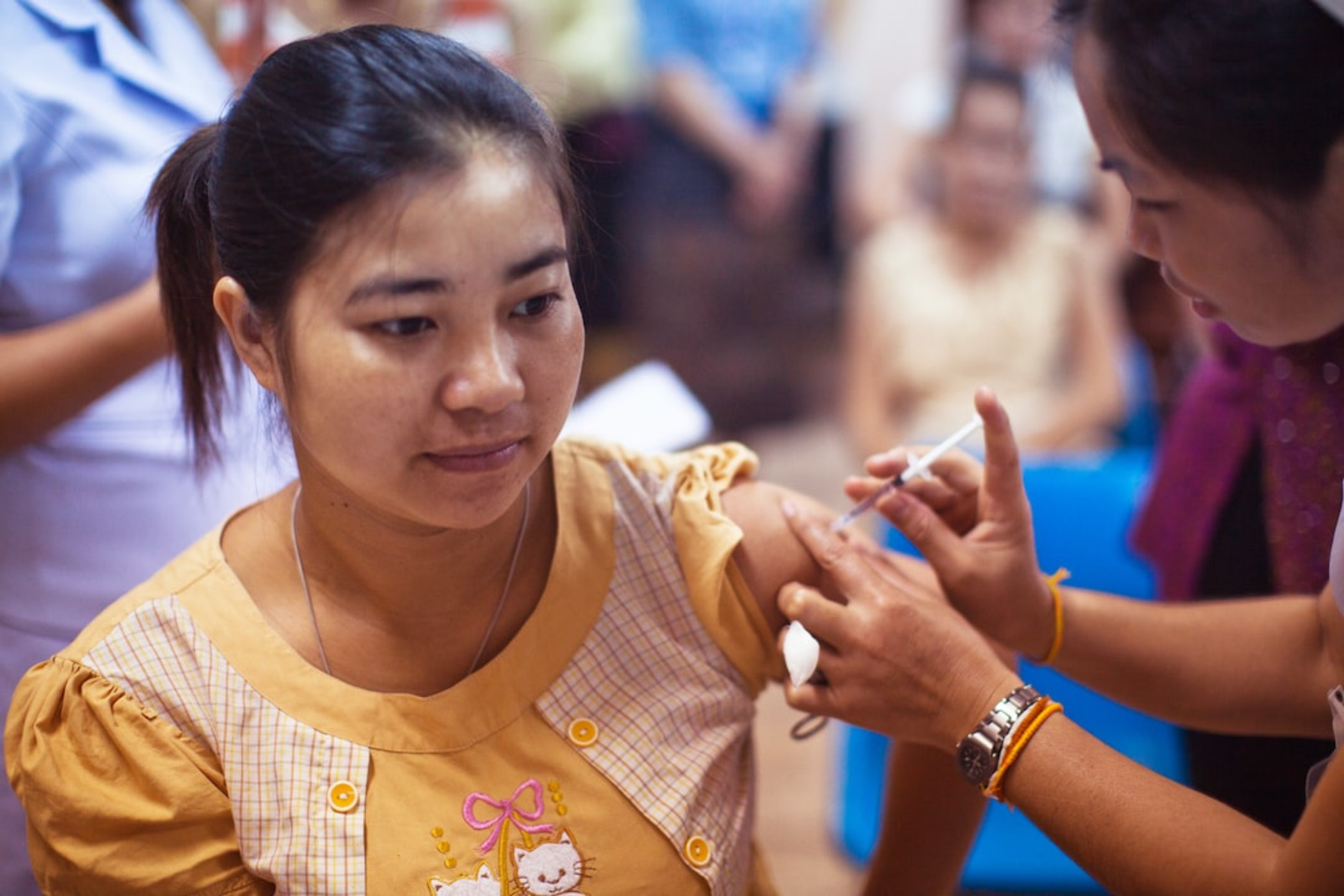
The WHO published its 2022 Global Vaccine Market Report in November of 2022. Its main takeaway is that inequitable vaccine distribution is not unique to COVID-19 vaccination--rather, poorer countries consistently have less access to vaccines as compared to richer countries. This inequitable distribution, in combination with limited vaccine supply, propels global health disparities. The human papillomavirus (HPV) vaccine against cervical cancer is particularly representative of this inequity: it has been introduced in only 41% of low-income countries despite representing a vast proportion of the global disease burden, compared to introduction in 83% of high-income countries.
Price disparities remain a problem as well, despite price tiering, with middle-income countries often paying the same or more for vaccines than their wealthier counterparts. Global manufacturing of vaccines has increased since the onset of the COVID-19 pandemic, but it is still concentrated in the hands of a limited number of manufacturers. This causes a threat of shortages, especially regional supply insecurity. For example, in 2021 the African and Eastern Mediterranean regions were dependent on manufacturers located outside their areas for 90% of their vaccines. There is limited investment in vaccines needed in emergencies, such as those for cholera, typhoid, Ebola, and smallpox/monkeypox, where demand surges during outbreaks and is thus less predictable. This is potentially disastrous for many communities.
The report highlights opportunities for improvement in order to reach the Immunization Agenda 2030 (IA2030) goals for pandemic prevention, preparedness, and response efforts. The COVID-19 pandemic proved that vaccines can be manufactured and distributed quickly and highlighted that vaccines are not a commodity, but rather a fundamental public health good. Yet this pandemic also showed that vaccine inequity is a serious problem that needs solutions to prevent the failures witnessed during COVID-19. The WHO recommends specific actions governments and industries should take to address vaccine inequity in order to prepare for and prevent future pandemics.
Read more about the report here
How has vaccine inequity affected your community and your work? What lessons were learned during the COVID-19 pandemic that you will take with you moving forward in your work? Are the WHO recommendations sufficient to address and improve vaccine inequity globally? Can you think of anything that's missing in these recommendations?
Share your thoughts in the "Comment" section below!