
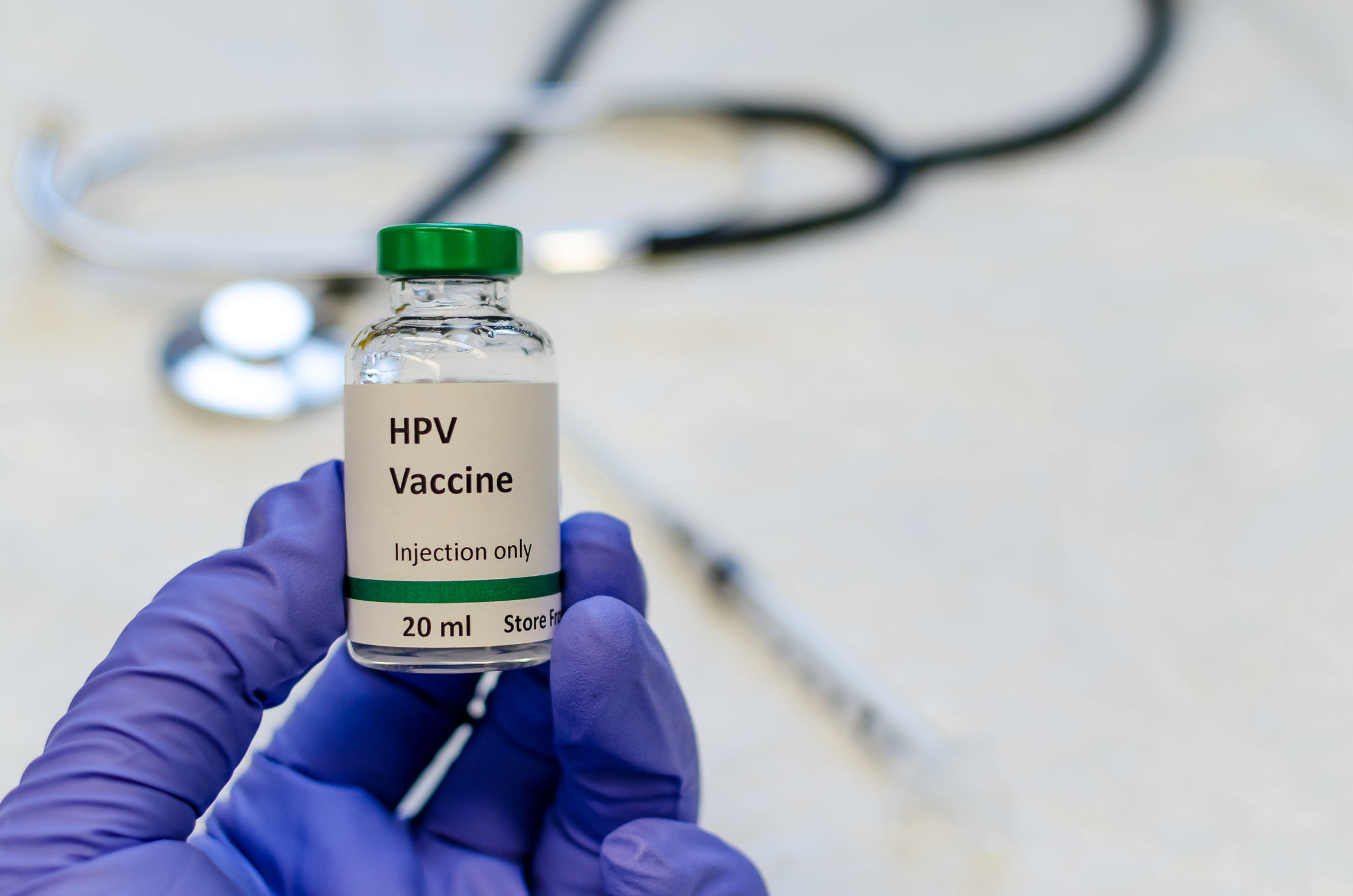
A Shot in the Arm Can Prevent Cervical Cancer
The Sabin Vaccine Institute supported a recent feature story, "A Shot in the Arm Can Prevent Cervical Cancer," in the Inter Press Service News Agency, on HPV vaccination and cervical cancer in Pakistan.
Cervical cancer, or cancer of the cervix uteri, is the fourth most common cancer among women worldwide, with over 600,000 new cases of cervical cancer and a death toll of over 340,000 in 2020. In Pakistan, almost 75 million women over the age of 15 are at risk of developing the human papillomavirus (HPV). Cervical cancer is the third leading cause of death among women of the reproductive age group in Pakistan, after breast and ovarian cancers. Almost 90% of cervical cancer cases in the country are due to HPV-despite the fact that cervical cancer is the only cancer preventable with a vaccine shot.
A major concern in Pakistan is the lack of accurate data on the prevalence of disease burden. Dr. Arshad Chandio, an immunization lead at Jhpiego Pakistan, is working with the WHO, UNICEF, and USAID, along with federal and provincial governments, to implement a roadmap for cervical cancer prevention and introduction of HPV vaccine in Pakistan. But accurate data must first be collected to have a true understanding of the disease burden and take the appropriate next steps. Dr Shahid Pervez, senior consultant histopathologist at the Aga Khan University Hospital (AKUH) and co-chair of the country’s newly established National Cancer Registry, recommends legislation to make reporting of cancer mandatory. Another solution suggested by those in the field, along with HPV vaccination, is regular pap smears. However, uptake of this procedure is dismally low in Pakistan--hovering around 2%. Pap smears can be expensive and put a strain on countries with resource-strapped health systems, such as Pakistan. An alternative to pap smears for low- and middle-income countries is a visual inspection of the cervix by acetic acid (VIA) to screen women for cancer.
The WHO recommends a triple intervention to eliminate cervical cancer: scaling up HPV vaccination to 90 percent for girls aged between 9 to 14, twice-lifetime cervical screening to 70 percent, and treatment of pre-invasive lesions and invasive cancer to 90 percent by 2030. But HPV vaccination is the most effective step forward because it is a primary prevention, especially in the absence of pap smear tests, VIA, and other screenings. In Pakistan, HPV vaccines became available several years ago, but very few doctors ended up prescribing them, resulting in very few people getting vaccinated. This caused large amounts of vaccines to expire in warehouses. However, HPV vaccination implementation at the national level could bring more awareness to the problem and encourage an uptick of immunization in the population. Taboos around sexual health will continue to be a barrier to immunization; thus, conversation around cervical cancer and HPV must begin to circulate in communities to encourage uptake of the vaccine. Additionally, enlisting many more female vaccinators will also be essential, as many young women do not feel comfortable getting vaccinated by men.
Read More About HPV Vaccination in Pakistan!
In your experience, what is the biggest barrier to HPV vaccination in your context? Have any strategies worked to increase HPV acceptance and uptake? Which partners or stakeholders need to be engaged in order to improve HPV vaccine coverage?
Share your thoughts in the "Comment" section below!