
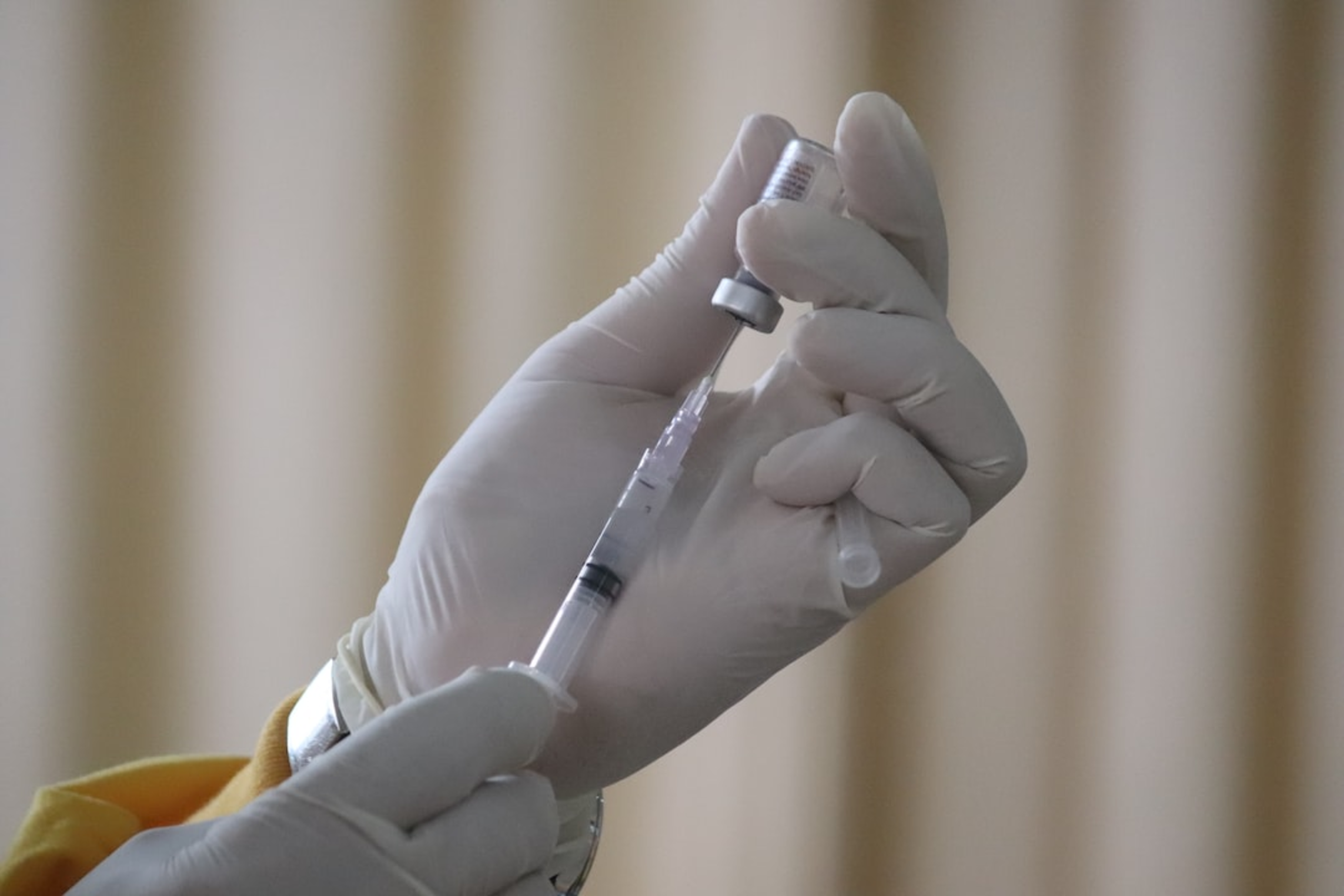
Mapping of Pro-Equity Interventions Proposed by Immunisation Programs in Gavi Health Systems Strengthening Grants
A recently published article in Vaccines journal, "Mapping of Pro-Equity Interventions Proposed by Immunisation Programs in Gavi Health Systems Strengthening Grants," reviewed all Health System Strengthening (HSS) proposals submitted by Gavi-supported countries from 2014 to 2021 and analyzed interventions on equity.
This research came about in response to concerns about reaching zero-dose children and the lack of research on approaches by countries to improve equitable immunization coverage. Zero-dose children increased 34% globally in 2021 following the onset of the COVID-19 pandemic, and 68% of these lived in one of the 57 Gavi-supported countries. Reaching and vaccinating these zero-dose children will help improve immunization equity worldwide. The Equity Reference Group for Immunisation (ERG) has emphasized the importance of 4 areas to focus on in order to reach zero dose children: conflict-affected areas; the urban poor; remote and rural areas; and gender-related barriers to vaccination.
Of the 56 proposals analyzed, 51 included at least one pro-equity intervention. Organizing outreach sessions, developing strategic partnerships, and tailoring the location of service selivery to reach underserved populations were among the most common interventions. Most often these partnerships were with Civil Society Organizations (CSOs). Mobile vaccination initiatives, developing new infrastructure, and microplanning at the health facility or district level were also popular. Some focused on demand generation, such as developing communication plans and fostering community engagement, especially with community and religious leaders. Others focused on the supply-side, such as investing in transportation and cold chain equipment for hard-to-reach areas. Many included "bundles" of interventions that involved community-level education activities, microplanning, and outreach. Almost half focused on remote and rural areas and almost a third included gender-related barriers to immunization. Some concerns noted by researchers was that the focus on outreacher and tailored location and mobile service delivery emphasized that the distance to health facilities was a major bottleneck for vulnerable populations, but these chosen interventions may not be sustainable or cost-effective in the long-term. Further, lack of clarity on the definition of what a "pro-equity" intervention entails could limit progress on equity. Overall, this analysis helped identify what pro-equity interventions have been implemented in Gavi-supported countries, and it aimed to help inform discussions of the ways to reach zero-dose children and improve equitable immunization coverage in the future.
Do you have experience with any of the interventions analyzed in this paper? What is your definition of a "pro-equity" intervention? What are the most glaring barriers to successfully implementing pro-equity interventions? What further research should be done in this area in order to increase knowledge of equity-centered interventions?
Share your thoughts in the "Comment" section below!